Renovate or Move? A Southern Maryland Homeowner's Guide
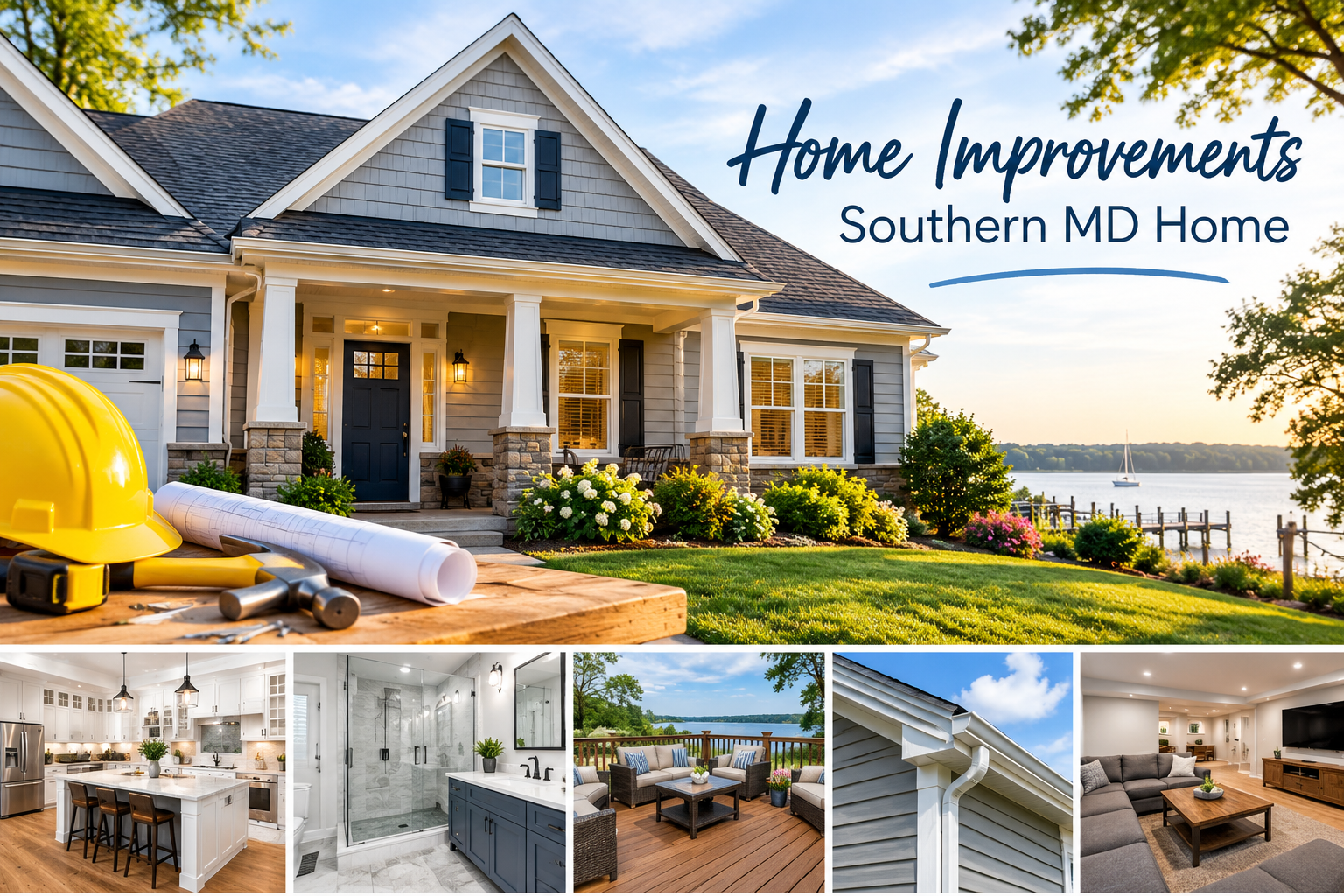
If your home no longer fits the way your family lives, you have two choices: find a new house or make the one you have work better. For many Southern Maryland homeowners, renovating wins. You keep your lot, your neighbors, and your school district, and your money goes into the house instead of into commissions and closing costs.

That said, moving is sometimes the right call. Here's how to tell the difference.

The Hidden Cost of Moving

The sticker price of a new home is only part of what you'll spend. Selling and buying usually involves:

  • Real estate commissions on the home you sell
  • Maryland and county transfer and recordation taxes
  • Closing costs, inspections, and appraisal fees on the home you buy
  • Movers, temporary storage, and time off work
  • Updates the "new" house needs anyway, like paint, flooring, or appliances

Taken together, these costs often run close to 10% of a home's value. None of that money adds a square foot of living space. If you also traded a lower mortgage rate for a higher one, your monthly payment may rise even if the new house costs about the same.

Signs Renovating Makes More Sense

You love your location. Waterfront lots, larger acreage, and established neighborhoods in Calvert County don't come up often. If you'd struggle to find a better spot, improving the house you have is usually the smarter play.

Your problem is space, not the whole house. Need a bedroom, a home office, or room for an aging parent? A home addition or finished basement can solve that without uprooting your family.

 The layout is the issue. Closed-off kitchens and choppy floor plans can often be opened up through a major renovation.

You plan to stay at least five years. The longer you stay, the more value you get from the improvements, and the less a future sale matters.

The house is structurally sound. A good foundation, roof, and framing mean your budget goes toward the spaces you'll actually use.

Signs Moving Might Be Better

  • You need to relocate for work, family, or a different school district.
  • Your lot can't support an addition because of setbacks, septic placement, or Critical Area limits near the water.
  • The house needs major structural repairs on top of the changes you want.
  • The renovation would push your home's value well above others in the neighborhood.
  • You're downsizing and want less house to maintain.

Questions to Ask Before You Decide

  1. What exactly isn't working: space, layout, condition, or location?
  2. How long do you plan to stay?
  3. What would a comparable home in a location you like actually cost, including selling and moving?
  4. Can your lot accommodate an addition, garage, or sunroom?
  5. Could you live in the home during construction, or would you need temporary housing?

A site visit from an experienced contractor can answer the lot and structure questions quickly. Our Home Remodeling Cost Guide can help you start sketching a budget.

Renovating With Chris Turner Home Improvements

Chris Turner Home Improvements has helped families from Prince Frederick to Solomons stay in the homes they love by adding space, opening layouts, and updating older houses. We handle the design, permits, and construction so you're not coordinating multiple contractors.

Thinking it over? Call 410-414-8322 or contact us for a free estimate. We'll walk your property, talk through your goals, and give you honest numbers to compare against moving.

Frequently Asked Questions

Is it cheaper to renovate or move?

It depends on the project, but renovating avoids commissions, transfer taxes, and closing costs, which often total close to 10% of a home's value. For many homeowners who need more space, an addition costs less than the true cost of buying and moving.

Does a renovation increase home value?

Most well-planned renovations add value, especially projects that add bedrooms, bathrooms, or usable square footage. Projects that far exceed neighborhood values are less likely to be fully recovered at resale.

Can I live in my house during a renovation?

Often, yes. Additions and basement projects are usually built with the main living areas still in use. Whole-house renovations may require a short move-out, depending on the scope.

Do I need a permit to renovate in Calvert County?

Most additions, structural changes, and electrical or plumbing work require permits. Properties near the shoreline may also fall under Chesapeake Bay Critical Area rules. Your contractor should handle the permit process for you.
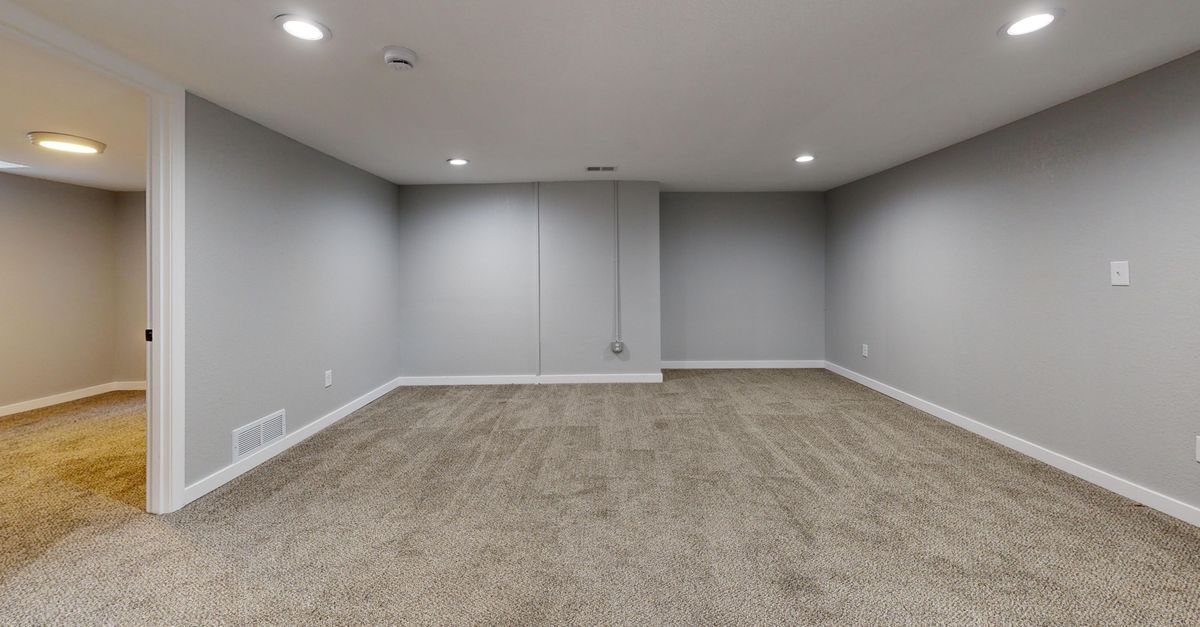
Finished basement family room with egress window in Calvert County home
By Chris Turner • September 28, 2026
Planning a finished basement in Calvert County? Learn how to handle moisture, egress windows, and permits before you build. Free estimates: 410-414-8322.
By Chris Turner • August 28, 2026
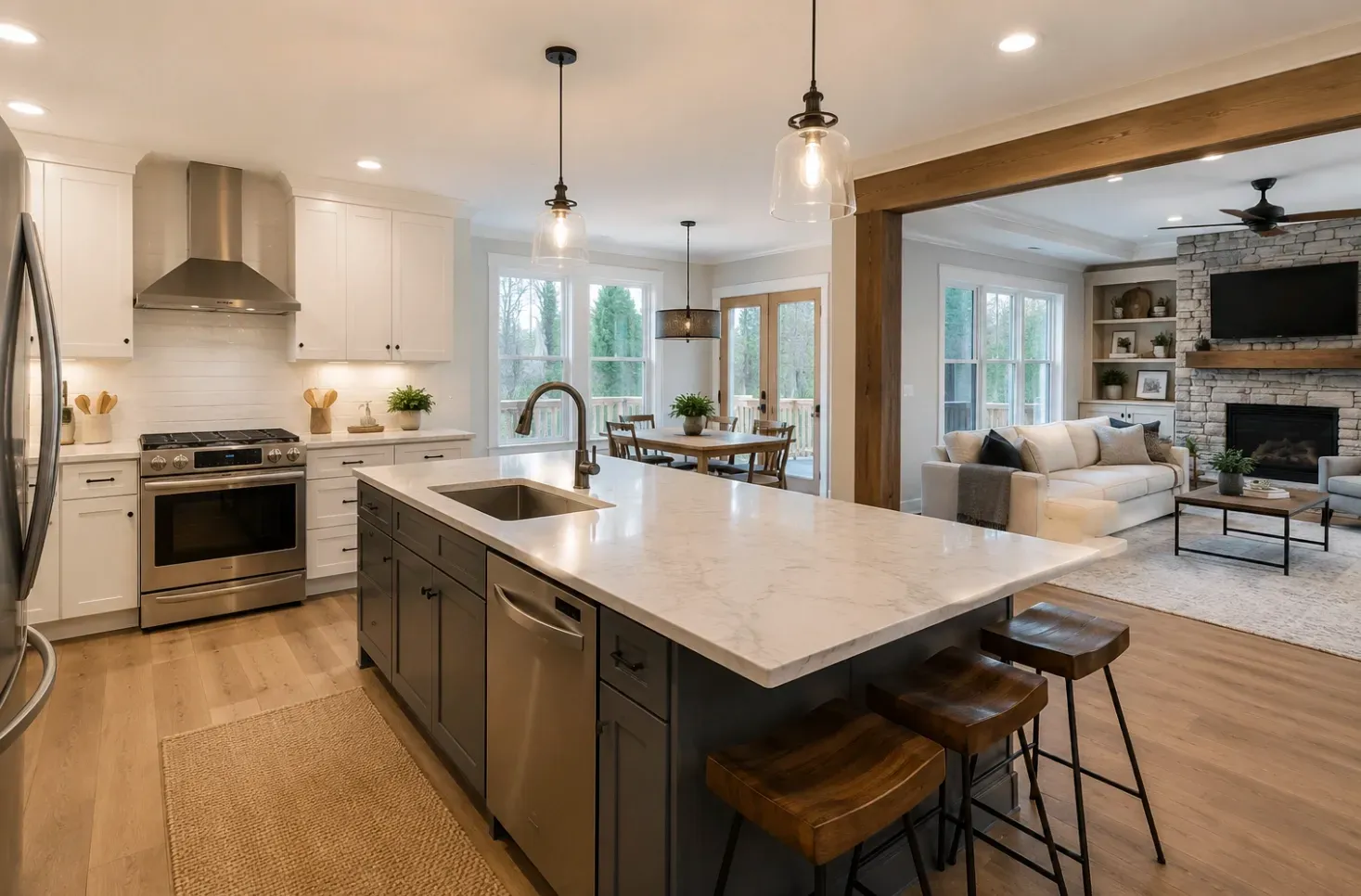
One of the first questions homeowners ask when considering a renovation is: How much will my home remodeling project cost? The answer depends on several factors, including the size of the project, the materials selected, the age and condition of the home, and the amount of structural, plumbing, electrical, or other work required. While every remodeling project is unique, this home remodeling cost guide provides general estimated price ranges to help homeowners begin planning their investment. Average Home Remodeling Costs Home remodeling projects can range from relatively simple updates to complete renovations. Minor cosmetic improvements typically cost less, while projects involving major layout changes, structural work, plumbing, electrical systems, or high-end materials can significantly increase the overall investment. Here are some general estimated cost ranges for common remodeling projects. Kitchen Remodeling Costs A kitchen renovation can range from updating a few finishes to completely redesigning the space. Estimated costs: Minor kitchen updates: $15,000–$35,000 Mid-range kitchen remodel: $35,000–$75,000 Major or high-end kitchen renovation: $75,000–$150,000+ Factors that affect the cost of a kitchen remodel include cabinets, countertops, appliances, flooring, lighting, plumbing changes, and whether walls or the existing layout are being changed. Bathroom Remodeling Costs Bathroom remodeling costs vary depending on the size of the bathroom and the scope of the renovation. Estimated costs: Small bathroom or powder room update : $8,000–$20,000 Full bathroom remodel: $20,000–$40,000 Large or luxury bathroom renovation : $40,000–$75,000+ Costs can increase when moving plumbing, installing custom tile, replacing tubs with walk-in showers, or adding higher-end fixtures and features. Basement Finishing Costs Finishing an unfinished basement can add valuable living space to your home. Estimated costs: Basic basement finishing: $30–$60 per square foot Mid-range finished basement: $60–$100 per square foot High-end basement renovation: $100+ per square foot The total cost will depend on the basement's current condition and whether the project includes a bathroom, kitchenette, bedroom, home theater, custom bar, or other specialty features. Home Addition Costs Adding square footage to your home is typically one of the larger remodeling investments. Estimated costs: Basic room addition: $150–$300 per square foot Larger or more complex addition: $300–$500+ per square foot The cost of a home addition depends heavily on the foundation, roofing, electrical and plumbing requirements, architectural design, and finishes selected. Interior Remodeling Costs For homeowners updating multiple rooms or making significant improvements throughout the home, costs can vary widely. Estimated costs: Cosmetic interior updates: $10,000–$30,000 Multiple-room renovation: $30,000–$100,000 Major whole-home renovation: $100,000–$300,000+ A whole-home renovation may include flooring, painting, kitchen and bathroom remodeling, lighting, electrical upgrades, layout changes, and structural improvements. What Factors Affect the Cost of a Home Remodel? No two homes—or remodeling projects—are exactly alike. Several factors can affect your final investment. Size and Scope of the Project Larger spaces and more extensive renovations generally require more labor and materials. Material Selections There can be significant price differences between basic, mid-range, and premium materials. Cabinets, countertops, flooring, tile, fixtures, and appliances can all affect the final project cost. Changes to the Existing Layout Keeping plumbing, walls, and electrical systems in their existing locations can often reduce costs. Moving these elements may require additional labor and construction. Age and Condition of Your Home Older homes may have hidden issues that need to be addressed once construction begins. Outdated wiring, plumbing, water damage, or structural concerns can affect the project budget. Permits and Building Requirements Depending on the scope of the project, permits and inspections may be required. These costs should be considered when planning your remodeling budget. Custom Features Custom cabinetry, specialty tile, built-in storage, luxury fixtures, and other personalized features can increase the overall investment while also creating a more functional and customized home. How Can Homeowners Plan Their Remodeling Budget? Before beginning a remodeling project, it is helpful to establish a realistic budget range and prioritize your goals. Consider: Which improvements are most important? Which features are must-haves versus nice-to-haves? Are you planning to stay in your home long-term? Will the renovation improve functionality, comfort, or resale value? Are there structural or maintenance issues that should be addressed first? It is also wise to discuss your goals and budget with an experienced remodeling professional early in the planning process. A contractor can help you understand what is realistically possible within your budget and identify opportunities to prioritize the improvements that matter most. Get a Personalized Home Remodeling Estimate Online remodeling cost guides can provide a helpful starting point, but they cannot account for the unique details of your home and project. The best way to determine the cost of your kitchen remodel, bathroom renovation, basement finishing project, home addition, or other improvement is to schedule a consultation and receive an estimate based on your specific goals. Chris Turner Home Improvements can help you explore your options and develop a remodeling plan designed around your home, priorities, and budget. Contact Chris Turner Home Improvements today to discuss your next home remodeling project and request a personalized estimate. Please note: The cost ranges provided in this article are general estimates only and may vary based on location, project scope, material selections, labor requirements, permits, and market conditions. A detailed estimate is the best way to determine the anticipated cost of your specific project.
A patio with a table and chairs and a grill
By Chris Turner • February 25, 2020
Get expert tips for planning home improvements, including decks, fire pits, & garage additions. Enhance your home today!
Show More